
The ecosystem
How an AI-assisted shop actually runs
An AI-assisted shop isn’t one tool bolted on. It’s a handful of layers working together — sensing demand, talking to customers, moving stock, handling admin — with your team on top making the calls that matter. Here’s how the pieces fit, and how to build it without breaking what already works.
Don’t hire to cope
Growing shouldn’t mean piling on staff for admin. Let AI carry the repetitive load instead.
Real time back
Hours a week returned to you and your team — the ones admin and repetition used to eat.
Fits how you work
If you can explain the task, it can be automated — built around your shop’s own way of doing things.
You stay in control
AI does the work and drafts the output. You and your team approve what matters.
What “AI-assisted” really means
Forget the picture of a fully automated store with no humans in it. That’s not what works on the ground, and it’s not what most shops need.
An AI-assisted shop is an ordinary business where the repetitive, pattern-based work — forecasting, answering routine questions, processing paperwork, drafting marketing — is quietly handled by software, while the people focus on judgment, relationships, and the things only a person can do. The AI is the layer underneath. Your team is still the business.
The shops that get this right don’t think in terms of “replacing staff.” They think in layers: each one absorbs a category of work, and together they free up the hours that used to disappear into admin and repetition.
The anatomy of the system
Six layers, each doing one job
The sensing layer
Demand forecasting and inventory intelligence — so you order the right stock at the right time.
- Predicts what will sell, and when
- Flags what to reorder
- Cuts waste and stockouts
The conversation layer
Customer-facing AI on WhatsApp, chat, email, and social — answering routine questions around the clock.
- Handles hours, stock, order status
- Replies 24/7
- Passes tricky cases to your team
The operations layer
The back-of-house engine that absorbs the small admin tasks eating your hours.
- Processes receipts and invoices
- Handles scheduling and reminders
- Chases supplier follow-ups
The marketing layer
The work that gets dropped first when everyone’s stretched — drafted for you, approved by you.
- Drafts posts and newsletters
- Writes product descriptions
- Prepares review replies
The insight layer
Reads all your reviews and sales data, and tells you what’s actually changing.
- Scans Google, GrabFood, Foodpanda
- Surfaces trends and sentiment
- Saves you reading 200 reviews
The human layer
You and your team, on top of it all. This layer never goes away — it just stops drowning.
- Makes the judgment calls
- Approves what the AI drafts
- Catches the mistakes
The dividing line
What AI handles vs what your team handles
Getting this line wrong is exactly where AI-assisted shops fail.
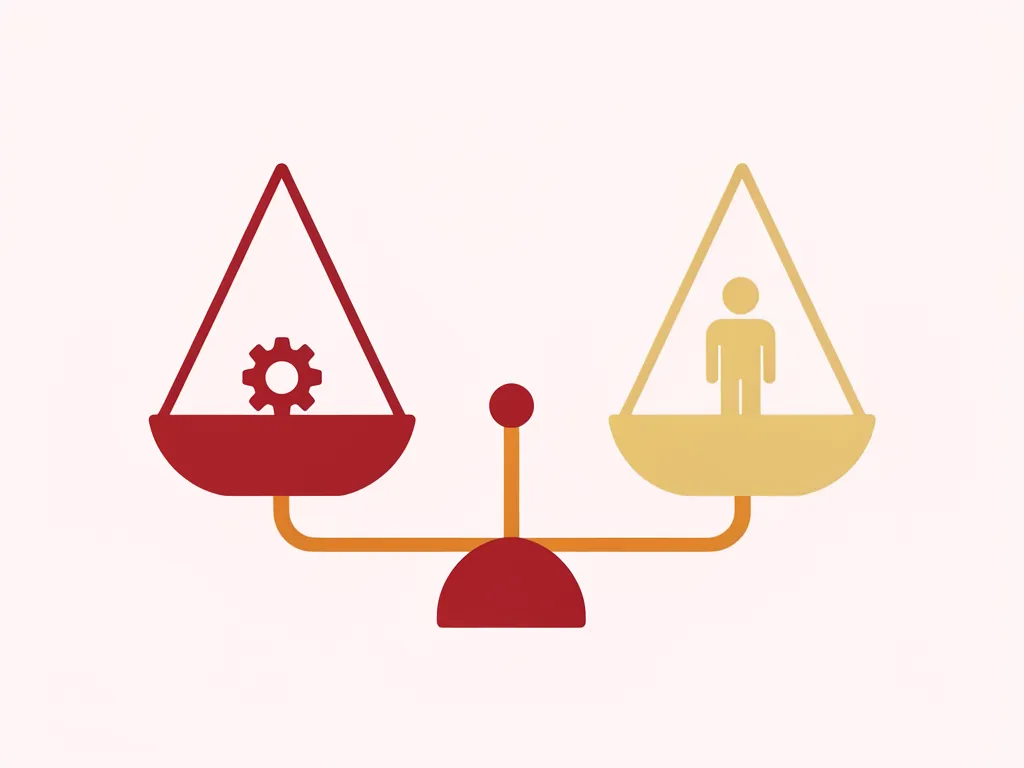
AI handles
- Demand forecasts and reorder suggestions
- Hours, location, stock and order-status questions
- Receipt, invoice, and document processing
- Routine scheduling and reminders
- Draft marketing content and review replies
- Reading and summarizing feedback at scale
Your team handles
- Complaints, refunds, anything emotional
- Custom, negotiated, or unusual requests
- Final approval on orders, pricing, content
- Relationships with regulars and suppliers
- Catching the AI’s mistakes — including confident ones
- Every moment a customer needs a real person
An honest note
Why the human layer stays in charge
AI is good at routine, repeatable, pattern-based work. It is genuinely not good at judgment, sensitive situations, physical presence, or the dozen things your best staff do without thinking. And it makes mistakes — sometimes confident ones — that need human eyes before anything reaches a customer.
So the ecosystem only works when the human layer stays on top. The AI handles the 80% that’s routine; your people handle the 20% that genuinely needs them, plus oversight of everything else. Shops that try to remove the human layer entirely find that customers notice and quality slips fast.
Be honest with your customers and team about what’s automated and what isn’t. Trust is far harder to rebuild than to keep.
Fits your shop
Works with the tools you already use
No new systems to rip and replace. The AI plugs into the apps and channels your shop runs on today — sourcing information and talking to customers the same way your team does.
GrabFood
Foodpanda
Shopee
Spreadsheets
Email & POS
Logos shown are examples of common retail and F&B tools. The assistant connects to whatever your shop already relies on.
Related reading
Customer recognition & camera (PDPA)
How the camera counts customers, and what Singapore’s PDPA requires for face recognition.
AI staff assistant & attendance
How the same system greets staff, tracks punctuality, and helps your team serve customers.
How to build an AI-assisted shop
A step-by-step guide to rolling this out one layer at a time.
Talk to us
Not sure which layer to start with?
Tell us where your shop is leaking time or money. We’ll point you to the one layer most likely to pay off first — or be honest if AI isn’t the answer yet.