
← Back to the AI-assisted shop ecosystem
Customer recognition & camera analytics
AI camera analytics for customer recognition, and what Singapore’s PDPA requires
How a shop can count footfall, split regulars from newcomers, and use face recognition responsibly — with the PDPA obligations laid out plainly.
Know your customer mix
How many newcomers, how many regulars?
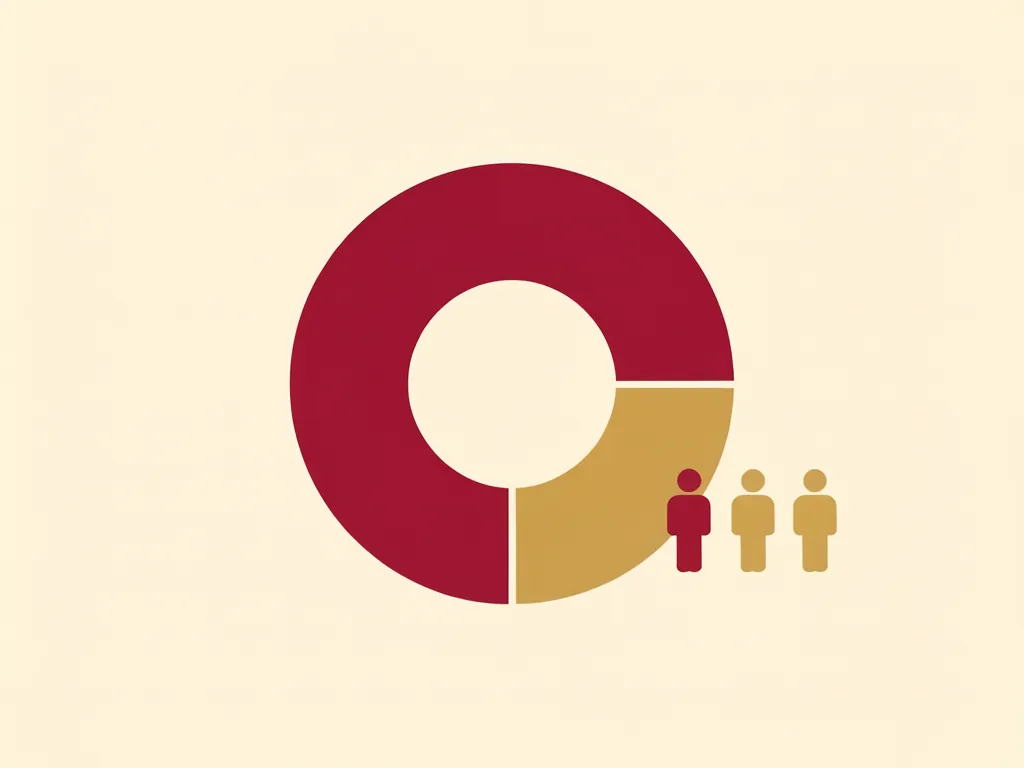
Now to what this looks like in practice. Every day your shop already generates the answer — it’s just never counted. When customers check in, the same recognition that reminds staff about one regular quietly adds up across everyone who walks in. The result is a simple, honest picture of who your customers actually are.
Example figures. With the real split in front of you, planning stops being guesswork — you can see at a glance whether you’re bringing in new faces or leaning on loyal ones.
What the camera can measure
A camera at the door, counting what already happens
Your shop already generates this data every day — it’s just never counted. Here’s what a camera plus AI can measure, split by how much it needs to know. Most of the value sits in the first group, which never identifies anyone.
Counting people and moments
The camera counts bodies and events — never who anyone is. No faces are matched. This is where most of the everyday value sits.
- How busy, and when. Your real peak and quiet hours, so you staff and prep to the actual rush.
- How many walk in vs buy. Foot traffic against sales — are you converting the people who come?
- Queues and wait times. When the line gets long enough that people walk out.
- How long people stay. Average browse time or table-turn, without tracking anyone.
- Where they gather. Which displays or areas draw a crowd and which get walked past.
- Is someone at the counter. Whether the station is covered during a rush — a body in the zone, not a name.
Because no one is identified, this only needs a visible sign that a camera is operating and what it’s for.
Knowing your team by face
Here the camera recognises your staff — your own employees, who’ve agreed to it. This makes attendance effortless and honest.
- Who’s on shift. A simple, tamper-proof record of who came in — no punch cards.
- Who’s late. Arrivals against the roster, without you having to watch the door.
- Punctuality over time. Not just today — who’s trending late, so you can have the right conversation early.
- Cover vs the rush. Whether you had enough hands on the floor when it actually got busy.
Because this recognises individuals, it needs your staff’s clear consent, a notice, and sensible rules on how the data is kept. Employees are the straightforward case for this.
Recognising members of the public by face — to tell regulars from newcomers — is a separate, more sensitive step under Singapore’s PDPA. For that, we usually recommend the opt-in route instead: a loyalty card or app tap gives you the same newcomer/regular count without capturing anyone’s face. See the PDPC guidance. This is general information, not legal advice.
Where it grows next
For your customers
- Remember their usual. Once they’ve checked in, the reminder to staff can include their favourite order, not just their name.
- Spot loyal regulars. See who’s been coming week after week — a cue for staff to acknowledge them warmly.
- Notice who’s drifting. Flag a regular whose visits have quietly slowed, so you can decide whether to reach out.
- One-tap loyalty sign-up. Turn the iPad check-in into a proper opt-in — name, rewards, and their clear consent, all in one moment.
Builds on what’s already running — no new hardware. The system reminds and records; your team decides and acts.
An honest note on customer data
It works best with data customers already share
The simplest and safest way to do this is to let the customer identify themselves — a loyalty card, a phone number, or the shop app. That information was already given willingly, so reminding staff of a regular’s usual order falls comfortably within what Singapore’s PDPA allows for improving your service.
Recognising customers by face is a different matter — it captures sensitive data from people who haven’t opted in, and the PDPA treats that with extra care. It’s rarely needed for good service, so we steer most shops toward the opt-in approach instead. If you ever do want face recognition, it’s a separate decision that needs clear notice and proper assessment first.
Either way, the assistant only ever reminds a person — it never acts on a customer by itself, and it’s there to help your team serve, not to market. You can read the official guidance from the PDPC here.
This is general information, not legal advice. For a specific setup, check with a Singapore privacy professional.
Talk to us
Not sure which layer to start with?
Tell us where your shop is leaking time or money. We’ll point you to the one layer most likely to pay off first — or be honest if AI isn’t the answer yet.